
 Published at: 2026-11-22
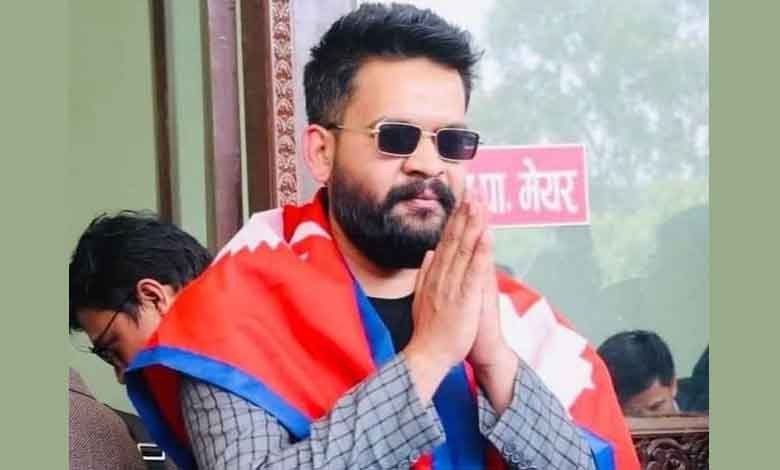
Prime Minister Balendra Shah (Balen) embarked on his highly anticipated two-day official state visit to New Delhi on November 22, 2026, marking his maiden foreign trip since assuming office in March 2026. Departing via a commercial Nepal Airlines flight accompanied by a 34-member high-level government delegation—including Finance Minister Dr. Swarnim Wagle and Foreign Minister Shisir Khanal—PM Shah’s compressed 25-hour diplomatic mission has immediately captured regional and international headlines.
Far from a standard ceremonial exchange, this visit represents a fascinating test of structural pragmatism, distinct personal leadership style, and economic diplomacy between Kathmandu and New Delhi.
Key Issues on the Table
- Post-Disaster Reconstruction Package: Following the severe glacial floods and infrastructure destruction in Nepal earlier in the year, high-level discussions center around a massive economic and infrastructure rehabilitation package—projected to approach nearly $2 billion in development assistance.
- Air Transit and Aviation Access: Kathmandu is aggressively pushing for additional western air-entry routes through Indian airspace to operationalize and optimize international flights from regional hubs like Bhairahawa and Pokhara airports.
- Energy, Trade, and Infrastructure Milestones: Bilateral talks focus on expanding cross-border power trade, expediting hydro-energy projects, and reviewing physical and digital connectivity corridors.
Breaking Diplomatic Traditions: The “Balen Style”
PM Shah has used this visit to deliberately dismantle decades-old protocol traditions traditionally followed by Nepali premiers:
- Streamlined Itinerary: Eschewing the conventional multi-city tours (such as visiting regional Indian states, religious sites, or industrial hubs), Shah is remaining strictly within New Delhi for the duration of the trip.
- Delegation of Business Interactions: Rather than conducting individual lobbying meetings with diaspora business groups or local chambers personally, Shah has delegated formal economic and business-to-business interactions to Finance Minister Wagle and Foreign Minister Khanal.
- Embassy Omission: Breaking away from custom, the Prime Minister’s schedule excludes a formal interaction at the Nepali Embassy in New Delhi, prioritizing focused state-level execution with Indian Prime Minister Narendra Modi and President Droupadi Murmu.
The Pros (Strategic Advantages & Opportunities)
- Substantive Focus Over Fluff: By cutting out extraneous travel and ceremonial pageantry, the tight 25-hour agenda forces both nations to concentrate entirely on tangible deliverables, resource allocations, and concrete agreements.
- Economic Pragmatism: The inclusion of a robust financial and business delegation signals a mature shift toward economic co-dependence, mutual infrastructure growth, and fast-tracked reconstruction funding.
- Political Continuity: For New Delhi, hosting PM Shah provides an invaluable opening to consolidate the Neighbourhood First policy and build a direct working rapport with Nepal’s emergent executive leadership.
The Cons & Friction Points
- Legacy Distrust and Diplomatic Baggage: Early tensions earlier in the year—stemming from unorthodox foreign policy statements and cancelled preparatory visits—left underlying diplomatic friction that both sides must actively manage.
- Domestic Political Scrutiny: Opposition figures and domestic political analysts in Kathmandu have closely watched the administration’s preparations, warning that high-stakes agreements must rigorously protect long-term national sovereignty and water-resource rights without succumbing to rushed execution.
- Implementation Skepticism: Historically, grand joint communiqués between New Nepal and India have often stalled during bureaucratic implementation phases, creating public cynicism regarding bilateral pacts.
Speculations & Geopolitical Outlook
- Redefining Non-Alignment: Regional analysts view this trip as a crucial bellwether for how Kathmandu intends to balance its strategic relationships between its two massive immediate neighbors without tipping into geopolitical over-alignment.
- The “Result-Oriented” Benchmark: Political commentators are closely monitoring whether PM Shah’s uncompromising, action-oriented administrative style will successfully translate into concrete treaty progress, or if the compressed timeline risks leaving complex, long-standing disputes (such as boundary mapping and the 1950 Treaty review) sidelined for future cycles.