
 Published at: 2026-05-25
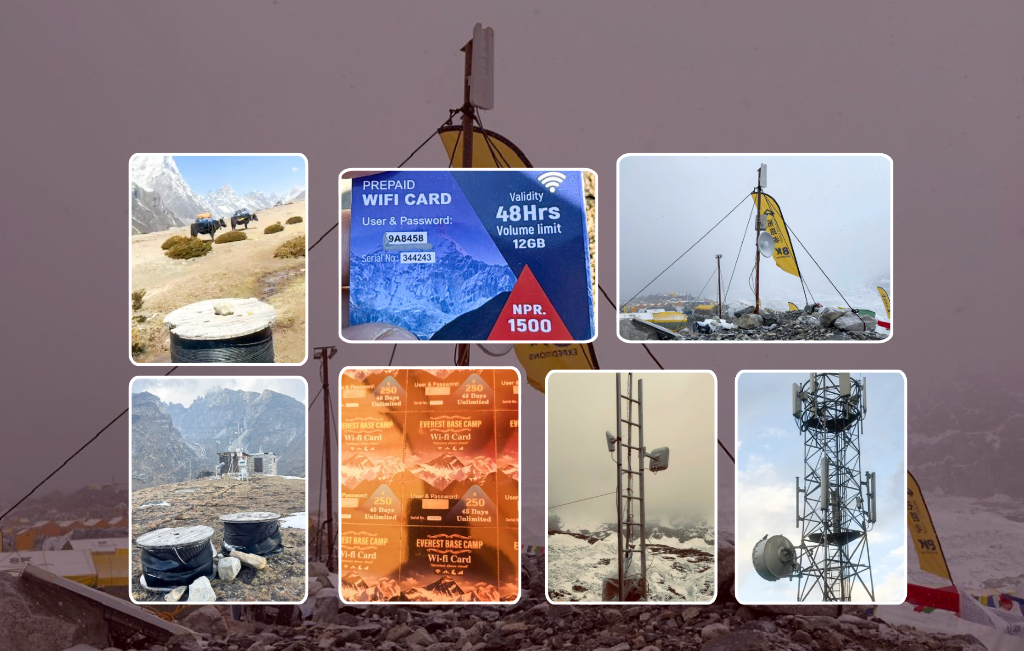
KATHMANDU — At 5,364 meters above sea level, Everest Base Camp (EBC) is a bustling seasonal city of nylon tents, high-stakes ambition, and an increasingly digital lifestyle. But beneath the breathtaking views of the Khumbu Icefall, a quiet battle is being waged over a modern necessity: reliable internet.
As the peak climbing season draws crowds of domestic and international adventurers, the region is facing mounting criticism over weak, exorbitantly priced connectivity. For climbers trying to stay in touch with family or track weather patterns, and for local expedition companies managing high-risk logistics, the digital lifeline in the Himalayas is proving to be both fragile and expensive.
The Seasonal Monopolies of the Khumbu
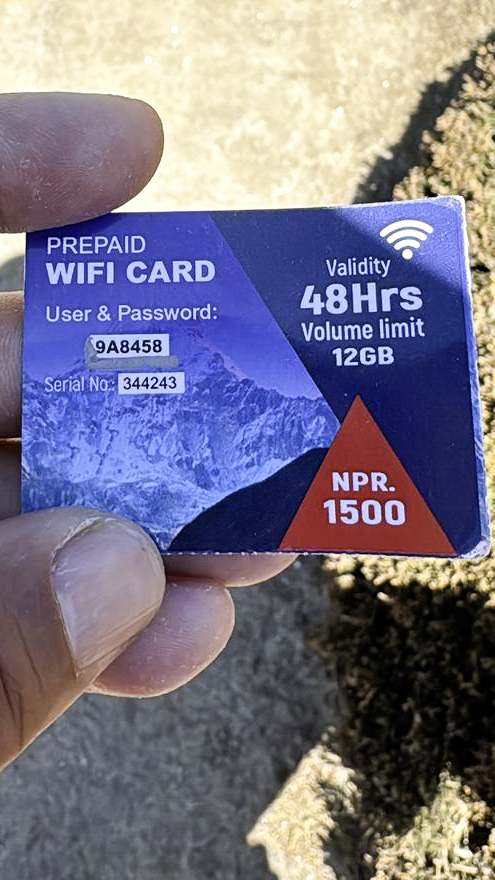
For years, getting online at Everest meant relying on specialized local internet service providers (ISPs) like Everest Link and Air Link. These companies provide 24-hour wireless networks at the base camp, but users say the financial toll is steep.
The service providers argue that the prices are justified. Operating a network in one of the most hostile geographic terrains on Earth requires massive capital. Infrastructure must be maintained through freezing temperatures and high winds, all for a business model that only generates revenue during a few short months of the climbing season.
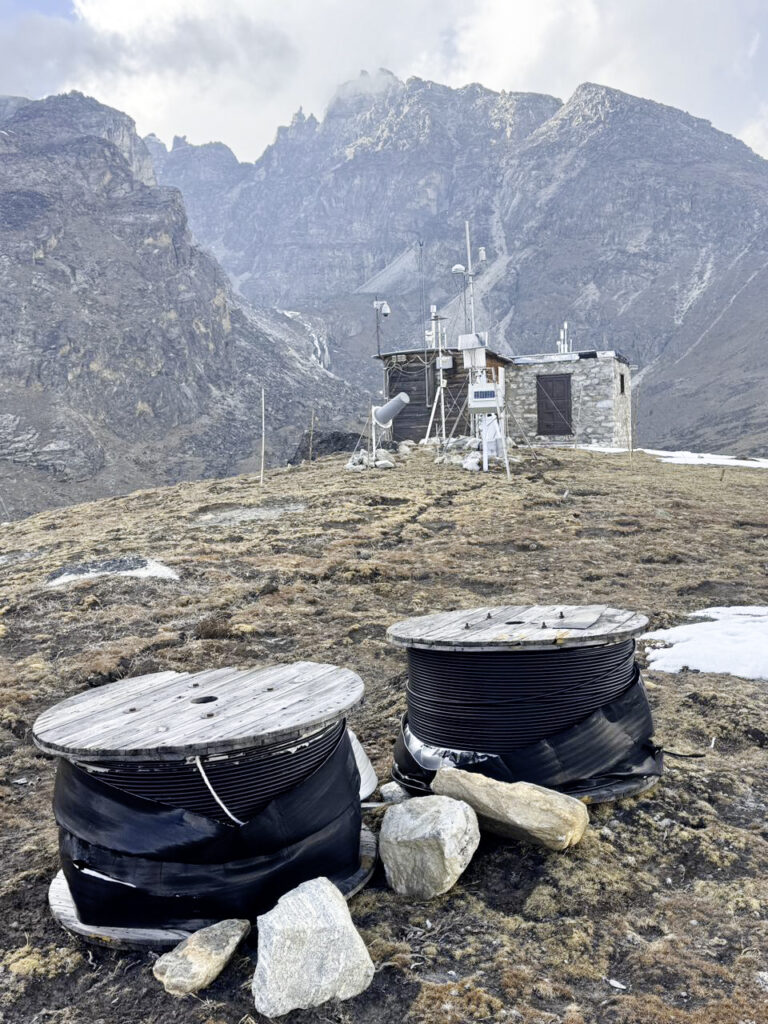
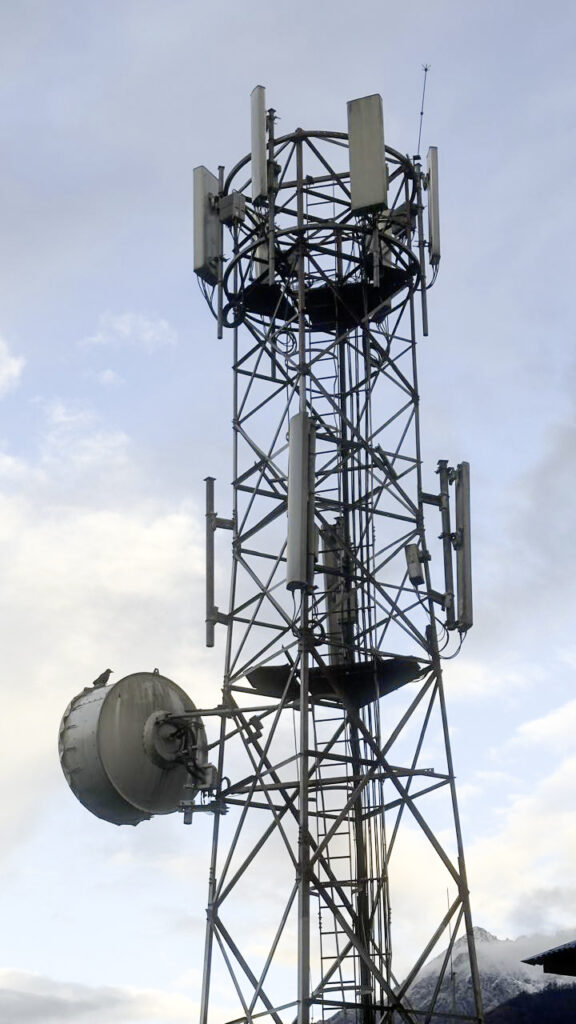
Meanwhile, mainstream telecom giants like Nepal Telecom (NTC) and Ncell remain largely absent from the base camp itself. While their towers reach up to 5,100 meters, they routinely choke under the weight of peak-season traffic, leaving users with basic, unreliable connectivity during the off-season and virtually nothing when it matters most. NTC claims it is rushing to lay fiber-optic cables to Gorakshep, but for now, the base camp remains a digital island.
The Underground Network: Safety vs. The Law
The real crisis begins above the base camp. As climbers push higher into Death Zone territory, local networks completely vanish. In this communication vacuum, a shadow network has emerged.
Faced with a choice between regulatory compliance and human lives, major expedition companies have quietly deployed foreign satellite internet terminals. Industry insiders estimate that roughly 53 unauthorized satellite devices are currently active in the Everest region, providing critical data links high on the mountain.
To the climbers, these illegal terminals are a literal lifeline—essential for calling in helicopter evacuations, coordinating rescues, and tracking missing team members. But to the government, they are a legal violation.
The Nepal Telecommunications Authority (NTA) previously issued a stern warning against this practice, declaring that the use of foreign satellite systems violates the country’s Telecommunications Act. Yet, in a region where a dropped connection can mean the difference between life and death, the state’s warnings have largely been ignored by operators who prioritize safety over bureaucracy.
Broken Promises in the Clouds
The rise of this black-market internet highlights a broader failure in infrastructure development. Years ago, the NTA proudly announced a flagship campaign to provide free wireless internet at both the Everest and Annapurna Base Camps. Today, stakeholders on the ground say that initiative has been an utter failure, leaving a trail of broken promises and unfulfilled expectations.
Regulators admit they are struggling to police the roof of the world. While the NTA claims it is actively investigating overcharging and illegal satellite use, officials concede that the brutal terrain makes physical monitoring and enforcement nearly impossible.
Until local providers can reliably bridge the gap between high costs and high altitudes, Everest’s digital underground will likely keep running—proving that in the world’s highest peaks, connectivity is no longer a luxury, but a necessity worth breaking the rules for.